





Fuel Your Day: A Friendly Guide to Healthy Carbohydrates in Indian Cuisine
Posted by SubziCart.com on Mar 24, 2026

Food is a symbol of tradition and love in South Asian culture. Still, many people have started to see carbohydrates as something to avoid, even though this view is not always fair.
At SubziCart.com, we respect the wisdom passed down by our ancestors. Carbohydrates are more than just energy; they help build a balanced life. The key is knowing which carbs to choose and how to incorporate them into your meals. We’ll start by explaining the basics of carbs, then show you how to enjoy the healthiest Indian options without sacrificing taste.
The Science: Why Carbohydrates Are Non-Negotiable
Carbohydrates are known as one of the three macronutrients (alongside protein and fats) that your body needs in large amounts.
- The Energy Engine: Our brain runs almost exclusively on glucose, which comes from carbs.
- The Glycogen Bank: Our muscles store carbs as glycogen to power you through physical tasks, from household chores to gym sessions.
- Digestive Health: Many Indian carb sources are rich in dietary fiber, which acts as a "broom" for your digestive tract, helping prevent bloating and constipation.
Decoding the "Good" vs. the "Fast" Carbs
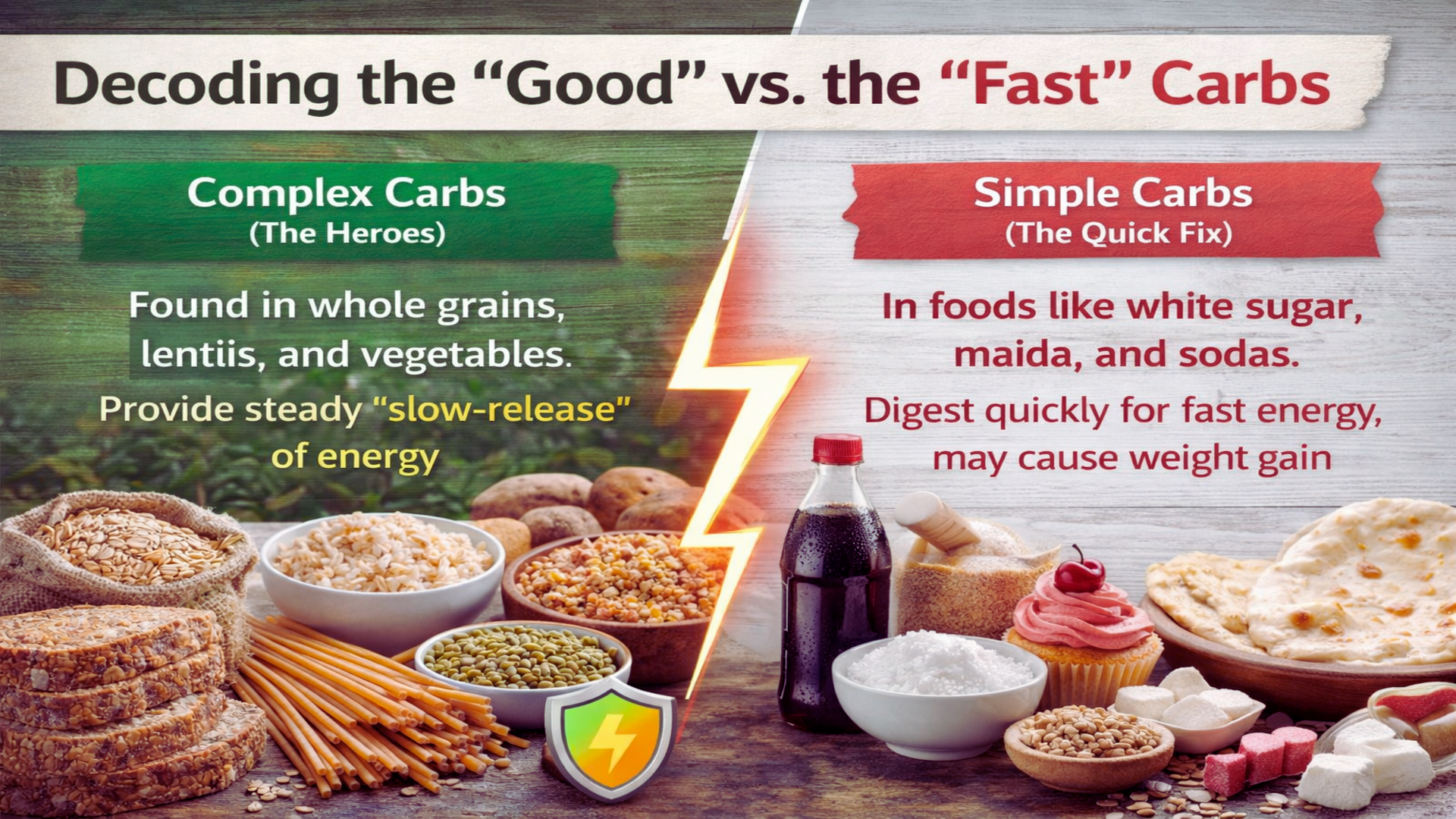
To eat well, it helps to know the two main variants of carbs: complex and simple. Complex carbs have longer sugar chains and break down slowly, while simple carbs have shorter chains and are digested quickly.
Complex Carbs (The Heroes)
Complex carbs are found in whole grains, lentils, and vegetables. With their longer sugar chains, they take more time to break down, providing a steady "slow-release" of energy that helps prevent the energy drop often experienced after meals.
Simple Carbs (The Quick Fix)
Simple carbs are in foods like white sugar, maida (refined flour), and sodas. They digest quickly and give you a fast energy boost, but eating too many can raise your blood sugar and may lead to weight gain.
12 Essential Carbohydrate-Rich Indian Foods
Let's look at the diverse pantry options available on SubziCart to help you maintain a healthy lifestyle.
1.The Ancient Grains (Millets)
India is the land of millets. Grains like Ragi, Jowar, and Bajra are nutrition warehouses. They are gluten-free, high in calcium, and have a low Glycemic Index (GI), making them perfect for managing diabetes.
2.Whole Wheat & Traditional Breads
Naan is tasty, but for everyday health, whole wheat atta is better. Homemade phulka or roti keeps the bran and germ from the wheat, which are missing in refined flours.
3.The Rice Varieties
Rice is a staple food for many people. To make your meals healthier, try these options:
- Brown Basmati: Retains the fiber-rich outer layer.
- Red or Black Rice: These traditional varieties are rich in antioxidants called anthocyanins.
- Parboiled Rice: This type is processed in a way that keeps more minerals in the grain.
4.Lentils (Dals) and Pulses
Pulses like Chana Dal, Rajma (Kidney Beans), and Lobiya (Black-eyed peas) are a key part of Indian nutrition. They offer two big benefits: lots of complex carbs and plant-based protein.
5.Starchy Vegetables
Potatoes are good for you; they have plenty of Vitamin B6 and potassium. For extra nutrition, try adding Arbi (Taro Root) and Sweet Potatoes (Shakarkandi), which give you steady energy and Vitamin A for healthy eyes.
6.The Power of Poha and Murmura
Poha (flattened rice) makes a great breakfast that’s easy to digest and good for your gut. When you cook it with vegetables and peanuts, it becomes a balanced meal.
7.Dairy Carbs: Milk & Dahi
Many people forget that dairy contains lactose, a natural carb. Traditional Indian dahi (yogurt) is important because fermentation adds probiotics that help your body better digest other carbs.
8.Fruits: Nature's Candy
Fruits like mangoes, chiku, and guavas are high in fructose. Even though they are sweet, they also have fiber and Vitamin C, so they’re a healthier snack than biscuits or samosas.
9.Nuts and Seeds
Almonds, cashews, and pistachios have a little bit of carbs, but their healthy fats help you slow down the absorption of sugar from your meal.
10. Oats and Porridge
Many South Asian kitchens now use oats and dalia (broken wheat). Both are great for heart health and help keep cholesterol under control.
11. Chickpea Flour (Besan)
Besan is a great choice. Whether you use it for kadhi or cheela (savory pancakes), it has fewer carbs and more protein than regular wheat flour.
12. Semolina (Sooji/Rava)
Used for Upma or Halwa, Sooji is a great source of iron and magnesium, providing a quick-cooking alternative. Sooji is used in dishes like upma or halwa. It’s a good source of iron and magnesium, and also cooks quickly, making it perfect for busy mornings. Far beyond filling you up, they are essential for maintaining steady energy and overall health.
The Magic of Carbohydrates in a Healthy Diet
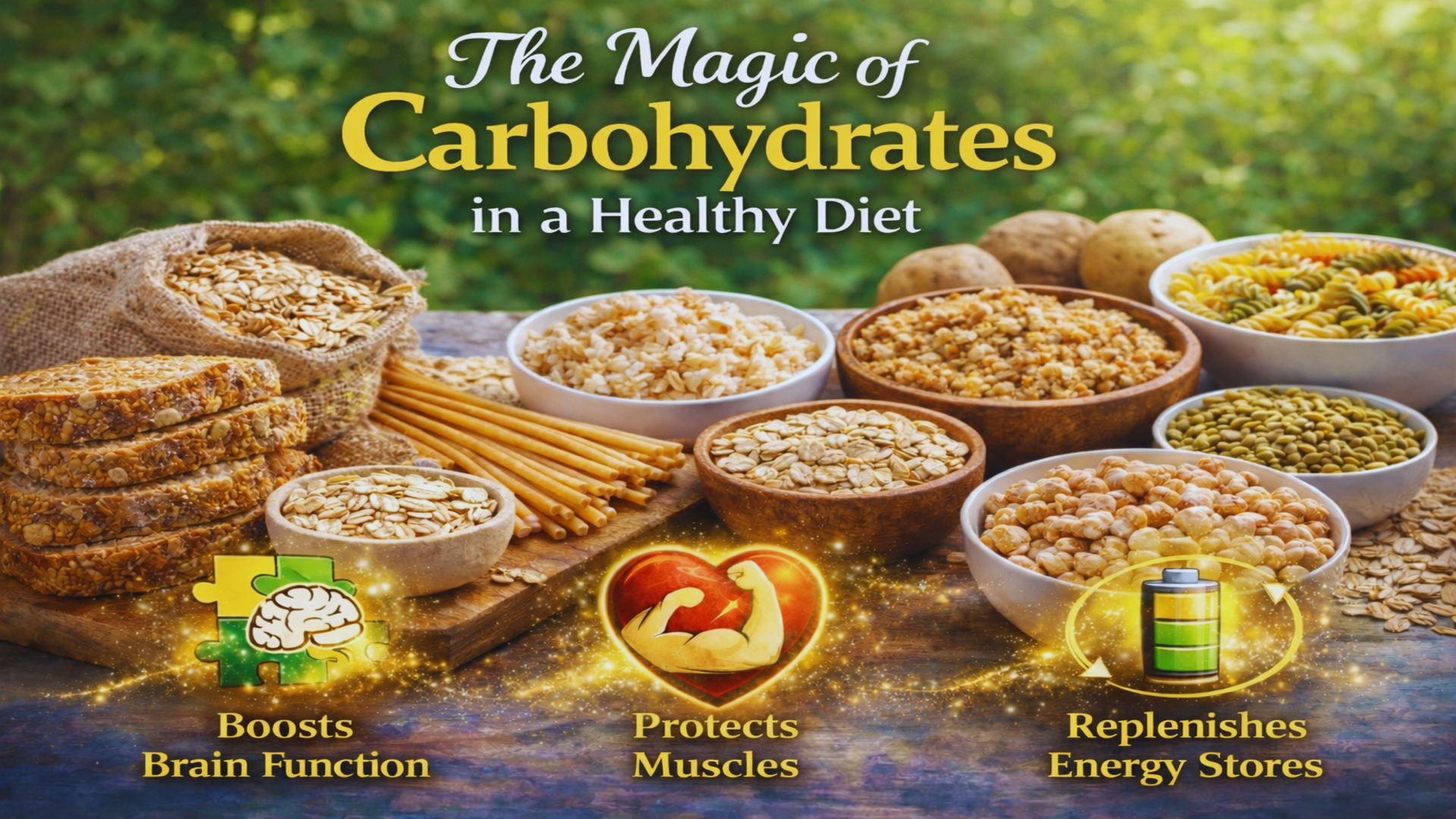
While often misunderstood, carbohydrates are the most efficient fuel source for the human body. Their role goes far beyond just filling the stomach; they are biological necessities that keep our systems running smoothly.
Carbohydrates are broken down into glucose, which is the main energy source for your cells. Your body can use fats or proteins for energy, but it prefers carbs because they turn into energy quickly and easily. This is especially important for your brain, which uses about 20% of your body’s energy and needs a steady supply of glucose to help you stay focused, remember things, and keep your mood stable.
Carbohydrates also help protect your muscles. When you eat enough healthy carbs, your body uses them for energy. If you do not eat carbs, your body might start breaking down muscle to turn protein into glucose. By eating good carbs from grains and pulses, you let protein do its real job: repairing tissues and building strength.
When you eat more carbs than you need, your body stores them in your liver and muscles as glycogen. Glycogen acts like a backup battery. Whether you are taking a long walk, working out, or sleeping, your body uses these reserves to keep your blood sugar steady and your muscles working well.
How to Build a Balanced Indian Plate
It’s not just about what you eat, but how you pair it. Use the "Smart Plate" method:
- 50% Fiber: Fill half your plate with non-starchy vegetables (Sabzi/Saag).
- 25% Protein: A bowl of Dal, Paneer, or lean meat.
- 25% Carbs: One Roti or a small cup of rice.
- The "Fat" Factor: Add a small spoonful of Ghee or oil to help absorb nutrients.
- 50% Fiber: Fill half your plate with non-starchy vegetables (Sabzi/Saag).
- 25% Protein: A bowl of Dal, Paneer, or lean meat.
- 25% Carbs: One Roti or a small cup of rice.
- Fat factor: Add a small spoon of ghee or oil to help your body absorb nutrients.
Frequently Asked Questions (FAQ)
Q: Is white rice bad for me?
A: Not at all! White rice is easy on the stomach. However, to make it healthier, control portion size and always pair it with a fiber-rich vegetable and a protein-rich dal to lower the meal's overall GI.
Q: Can I eat carbs at night?
A: Yes. While you sleep, your body still needs energy to function. The key is to keep the portion moderate and choose complex carbs like a vegetable-loaded Dalia or Oats.
Q: Which is better: Roti or Rice?
A: Both have benefits! Roti generally has more fiber and protein, while Rice is easier to digest and gluten-free. Rotating between them is the best strategy.
Q: Are potatoes high in sugar?
A: Potatoes contain starch, which turns into sugar. However, if you boil or bake them (instead of frying) and leave the skin on, you get a healthy package of fiber and vitamins.
Final Thoughts
Eating well means celebrating your heritage. The Indian diet is naturally balanced, so go back to whole grains, pulses, and seasonal produce. Choosing good ingredients is good for both your body and your spirit.
At SubziCart.com, we deliver the best of the Indian pantry to your home. From fresh vegetables to heritage millets and top-quality dals, we make it easy and tasty to live a healthy life.

