





Celebrate Mom: 7 Heartwarming Indian Dinner Ideas for Mother's Day in the USA
Posted by SubziCart.com on May 13, 2026

A complete planning guide for Indian and South Asian families in the USA — covering 7 authentic dishes, expert cooking tips, nutritional data, regional personalization, and simple ingredient sourcing through SubziCart.
Why an Indian Home-Cooked Dinner Is a Beautiful Mother's Day Gift
For many Indian and South Asian families in the United States, food is far more than nourishment — it holds memory, cultural identity, and love. Cooking an Indian dinner at home for Mother's Day honors that tradition and brings back familiar flavors in a deeply personal way.
According to the U.S. Census Bureau's 2020 American Community Survey, there are over 4.4 million people of Indian origin living in the United States, making Indian Americans one of the fastest-growing and most educationally and economically prominent immigrant communities in the country.[1] For many of these families, recreating the flavors of home — particularly for occasions like Mother's Day — is both a cultural priority and a practical challenge.
[1] U.S. Census Bureau. 2020 American Community Survey: Asian Alone or in Combination. census.gov
Finding fresh paneer, aged basmati rice, curry leaves, whole urad dal, khoya, and kasuri methi outside major metro areas can be genuinely difficult. This guide solves that problem end to end — seven dishes, preparation timelines, nutritional comparisons, regional personalization, and reliable ingredient sourcing through SubziCart.
From a nutritional standpoint, traditional Indian meals are well-structured. A 2020 review in the Journal of Ethnic Foods found that the Indian dietary pattern — combining legumes, vegetables, whole grains, and anti-inflammatory spices like turmeric — delivers high antioxidant loads, significant dietary fiber, and curcumin, a polyphenol with documented anti-inflammatory properties.[2]
[2] Bhupathiraju, S.N. & Tucker, K.L. (2020). "Coronary heart disease prevention: Nutrients, foods, and dietary patterns." Journal of Ethnic Foods, 7(1). doi.org/10.1186/s42779-020-00050-2
1. Start with Crispy Samosas and Fresh Mint Chutney
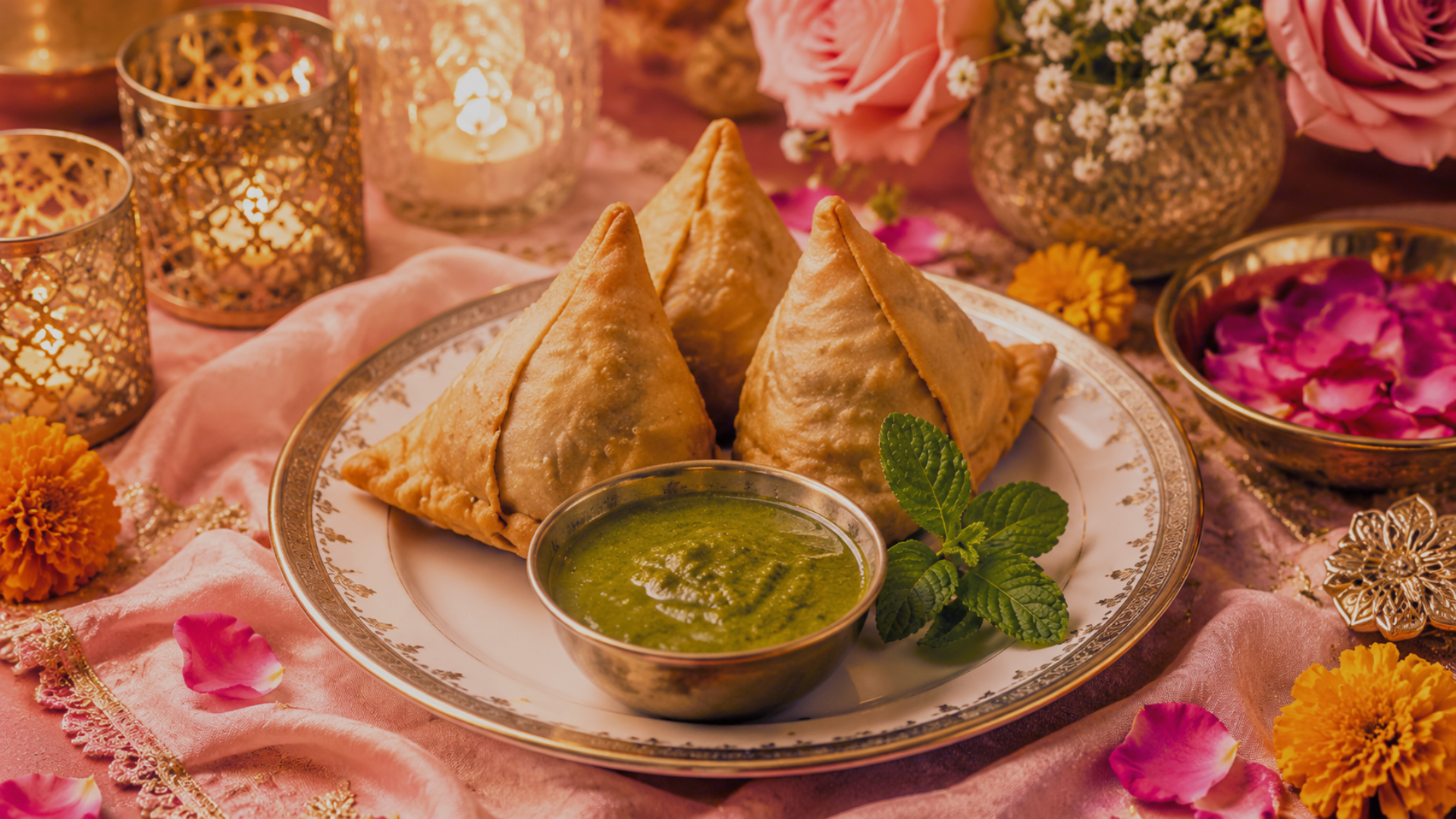
A festive Indian dinner should open with a warm, inviting starter, and samosas fill that role perfectly. These crispy pastry shells filled with seasoned potatoes and peas trace their origin to the Samsa of Central Asia, introduced to the Indian subcontinent via trade routes in the 13th and 14th centuries, where they evolved into one of India's most universally beloved street foods.[3]
[3] Achaya, K.T. (1994). Indian Food: A Historical Companion. Oxford University Press. pp. 152–155.
Paired with fresh mint chutney — mint, cilantro, green chilies, lemon juice, and a spoonful of yogurt — samosas make a well-balanced opener. Mint (pudina) has well-documented carminative properties in both Ayurvedic nutritional tradition and modern phytochemistry, making it a functionally sound pairing with fried foods.[4]
[4] Rajendra, C.E. et al. (2011). "Mentha spicata as antioxidant and antimicrobial." Asian Pacific Journal of Tropical Biomedicine, 1(2):S230–S237. doi.org
Pro Tip Prepare the samosa filling one day ahead — the spices meld and deepen overnight. For a properly flaky crust, keep the dough firm with minimal water. Fry at 160–170°C (320–338°F): low enough for the interior to cook through before the shell darkens.
2. Butter Chicken or Paneer Tikka Masala as the Main Dish
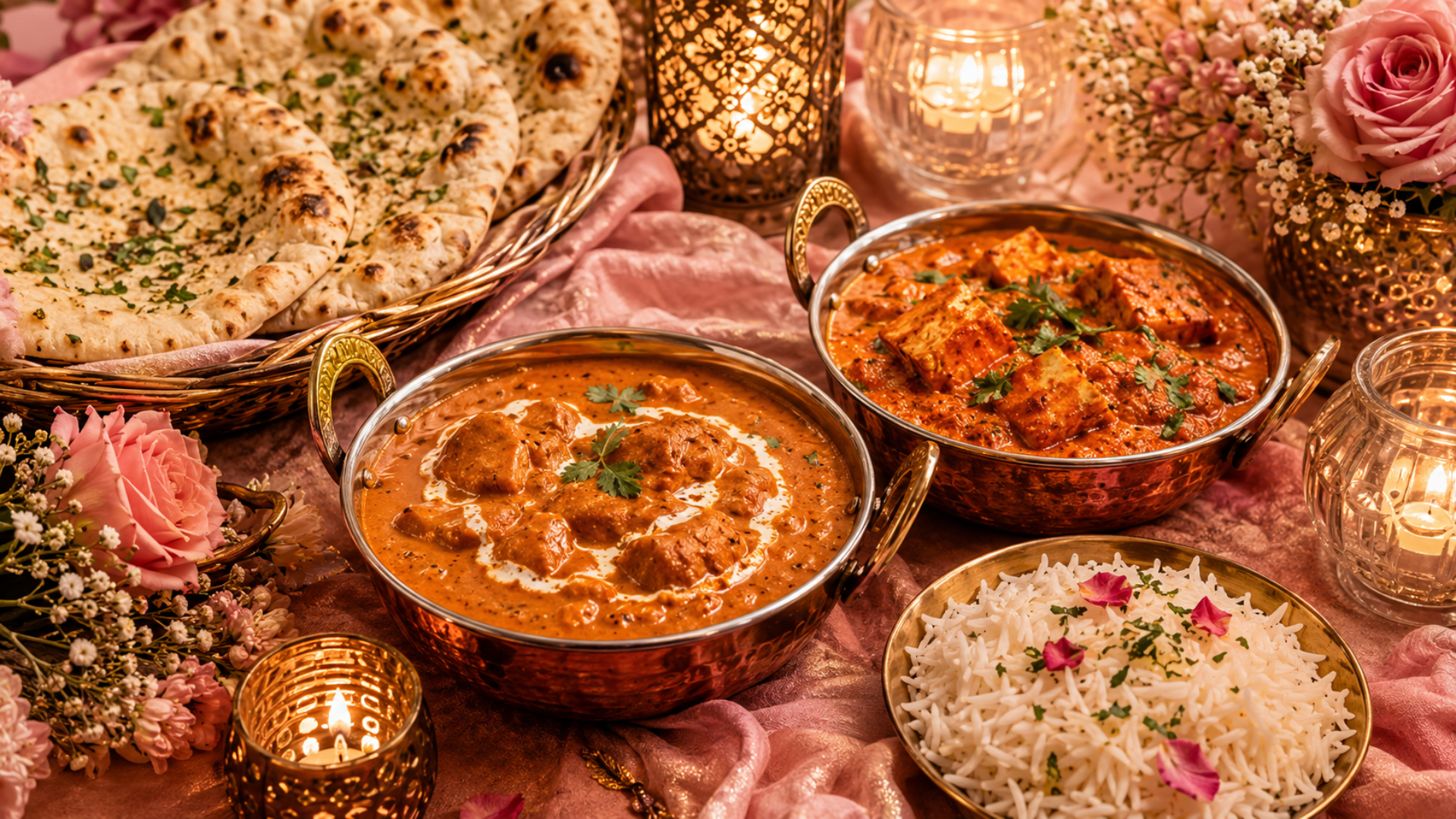
Both dishes represent the celebratory heart of Punjabi restaurant-style cooking. Butter chicken and paneer tikka masala are widely recognized Indian dishes in the United States, making them familiar and festive choices for a Mother's Day dinner.
Butter Chicken (Murgh Makhani)
Butter chicken was developed at Delhi's Moti Mahal restaurant in the 1950s, credited to chef Kundan Lal Gujral, who used leftover tandoori chicken in a tomato-cream gravy enriched with butter and garam masala.[5] The dish's signature aroma comes from dried fenugreek leaves (kasuri methi), added at the finish — this ingredient is non-negotiable for authentic flavour. Serve with naan, roti, or aged basmati rice.
[5] Collingham, L. (2006). Curry: A Tale of Cooks and Conquerors. Oxford University Press. pp. 210–213.
Paneer Tikka Masala
For vegetarian mothers, paneer tikka masala is an excellent festive centrepiece. Paneer — fresh Indian cottage cheese — provides approximately 18–20g of complete protein per 100g serving, comparable to chicken breast, per USDA FoodData Central data.[5] Lightly grilling or pan-searing the paneer before it goes into the masala is essential: it develops surface texture and a mild smokiness that the dish loses without this step. Serve with jeera rice, naan, or paratha.
[[5] USDA FoodData Central. "Paneer, raw." FDC ID: 171277. fdc.nal.usda.gov
| Dish | Approx. Calories | Protein | Key Benefit | Nutritional Highlights | Dietary Note |
|---|---|---|---|---|---|
| Butter Chicken | 350–450 kcal | 26–30 g | High protein | Iron, vitamin A | Gluten-free with rice |
| Paneer Tikka Masala | 330–430 kcal | 18–22 g | Protein | Calcium, phosphorus | Vegetarian; gluten-free with rice |
| Dal Makhani | 280–380 kcal | 10–14 g | Dietary fiber | Folate, plant protein | Vegetarian, vegan-adaptable |
| Masala Dosa | 220–350 kcal | 6–9 g | Probiotics | B vitamins, low fat | Naturally gluten-free, vegan |
| Jeera Rice | 180–250 kcal | 3–5 g | Light, easily digestible carbs | Complex carbohydrates | Gluten-free, vegan |
| Saffron Kheer | 250–350 kcal | 6–9 g | Calcium | Saffron antioxidants | Vegetarian |
Estimates sourced from USDA FoodData Central and standard South Asian recipe nutrition databases. Values vary with serving size, ingredients, and cooking method.
3. Dal Makhani and Jeera Rice for Warmth and Comfort
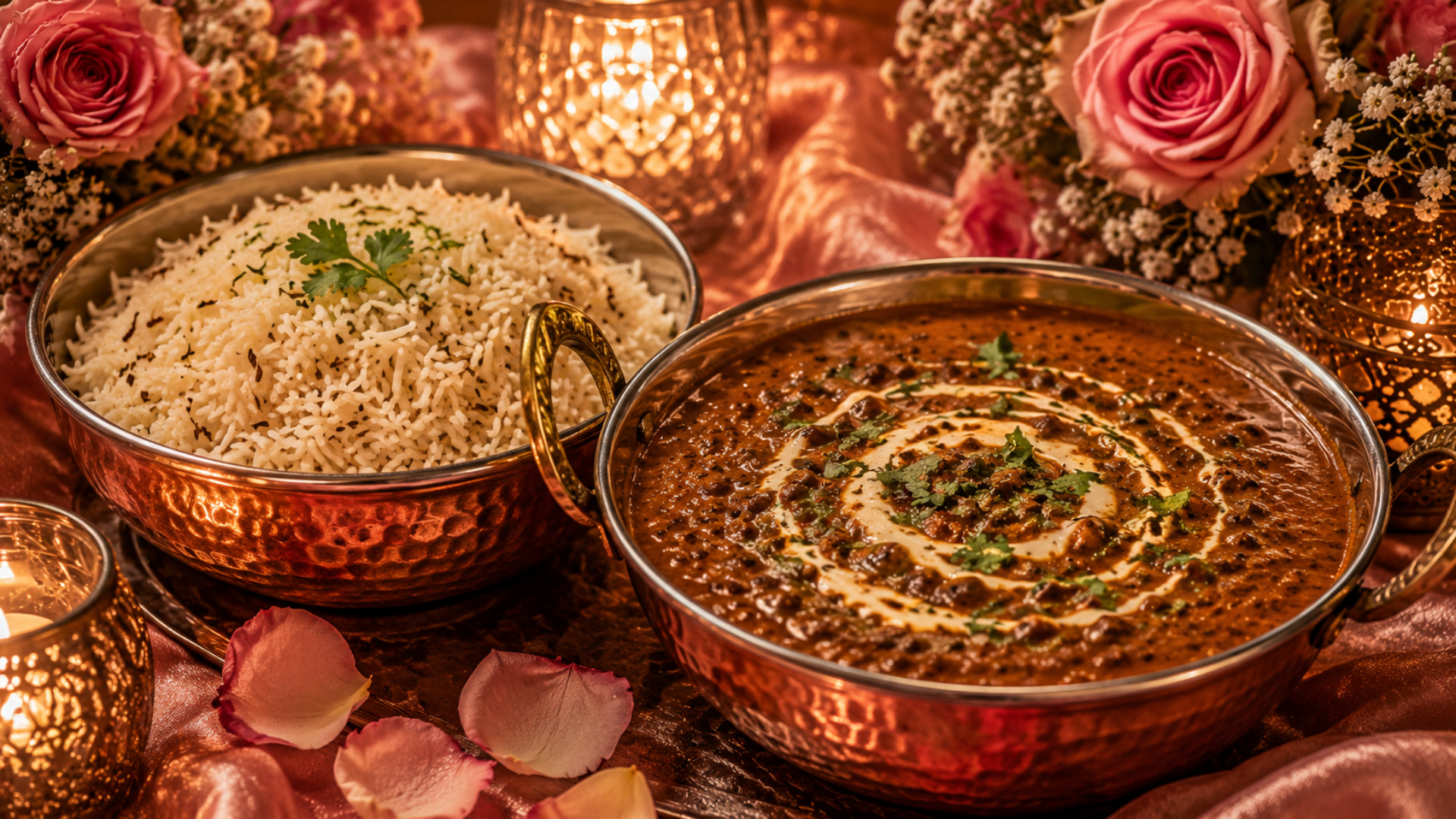
Dal makhani — whole black lentils (sabut urad dal) and kidney beans (rajma) slow-cooked with tomato, butter, cream, and spices — is one of North India's most celebrated festive dishes. It originated in Punjabi home kitchens and was refined at Moti Mahal restaurant in Delhi, where it was famously left to simmer on a slow coal fire (dhungar) overnight — a technique that produces the depth of flavor a rushed version simply cannot replicate.[5]
Whole urad dal is nutritionally significant: it is one of the richest plant sources of dietary fiber (approximately 15g per 100g dry weight) and provides essential B vitamins including folate, which supports cognitive and cardiovascular health.[5]
[5] Mudgil, D. & Barak, S. (2013). "Composition, properties and health benefits of indigestible carbohydrate polymers as related to obesity." International Journal of Biological Macromolecules, 61:1–6. doi.org
Soak whole urad dal overnight (minimum 8 hours) for even cooking and improved digestibility.
Pressure cook or use an Instant Pot on high for 30–35 minutes until completely soft.
Build the masala: deeply caramelise onions with ginger-garlic paste, add tomato purée, and cook until the oil separates from the paste.
Combine dal with the masala and add butter and cream. Simmer on low for 45–60 minutes minimum — the longer the better.
Finish with a knob of butter and a swirl of fresh cream just before serving for a restaurant-quality texture.
Jeera Rice Tip Use aged basmati rice — aged 12–24 months — for superior aroma and non-sticky grains. Toast whole cumin seeds in ghee for 30 seconds before adding soaked rice. This releases the cumin's essential oils and gives the rice its signature warm, nutty fragrance.
4. South Indian Masala Dosa with Coconut Chutney
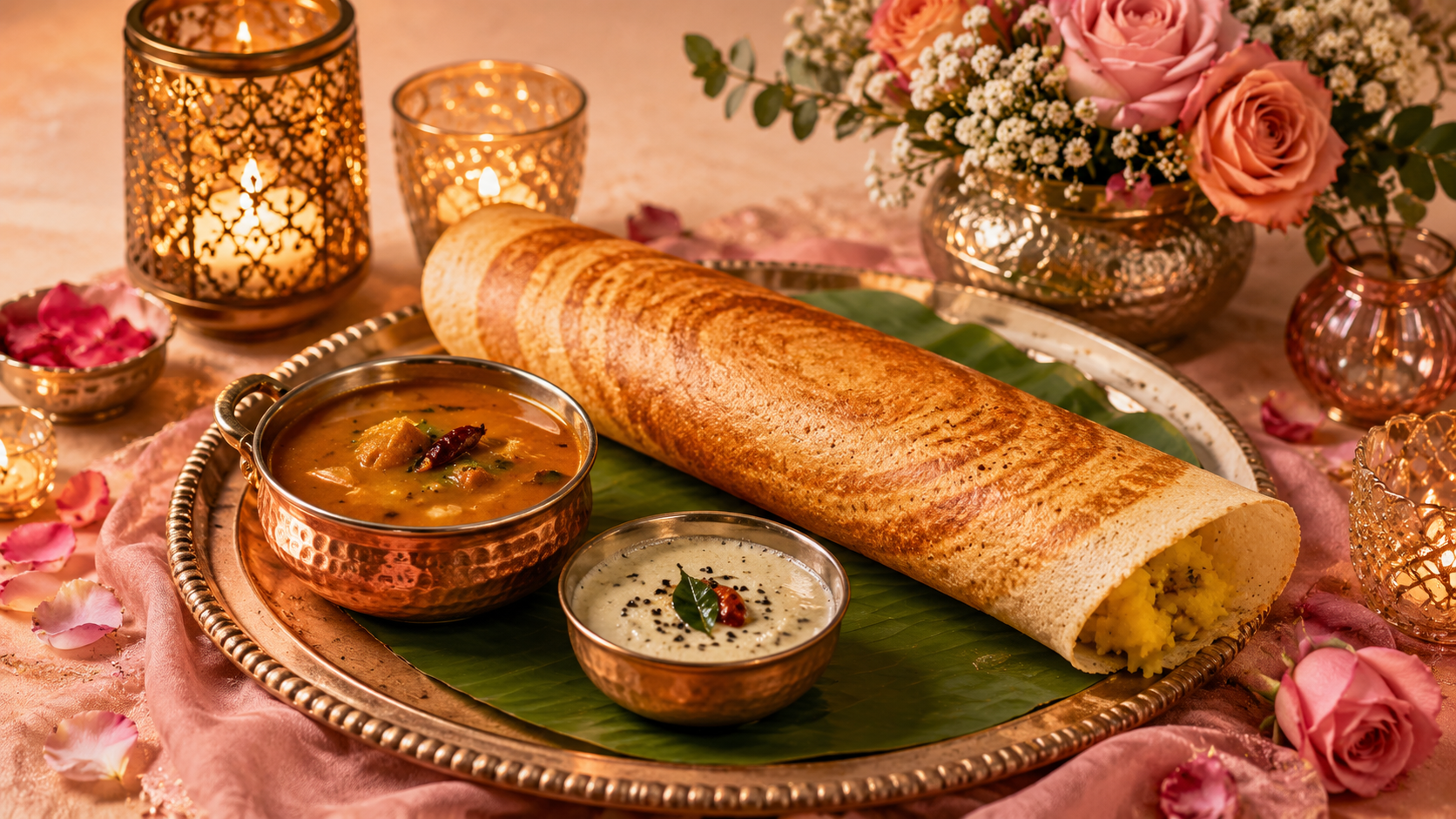
Masala dosa — a fermented rice and urad dal crepe filled with spiced mashed potatoes — is one of India's most internationally recognised dishes, originating from the Udupi region of Karnataka, where temple kitchens developed it as a fasting food before it spread across South India and the world.[5]
[5] Srinivas, S. (2013). "The Udupi restaurant: Historical emergence and political presence." Indian Economic and Social History Review, 48(3):321–346.
The fermentation step is central to dosa's nutritional value. Research compiled in the Handbook of Indigenous Fermented Foods (Steinkraus, 1995) documents that fermenting rice-lentil batter for 8–12 hours increases bioavailability of iron and zinc, produces lactic acid bacteria (beneficial probiotics), enhances B-vitamin content, and reduces anti-nutritional factors like phytic acid.[5] The result is both more digestible and more nutritious than unfermented alternatives.
[5] Steinkraus, K.H. (1995). Handbook of Indigenous Fermented Foods. CRC Press. 2nd ed. pp. 182–198.
Traditional masala dosa is also naturally gluten-free, using only rice and urad dal — no wheat flour. If using packaged batter, check the label for added flour or cross-contamination warnings.
Serve with: fresh coconut chutney, vegetable sambar, and potato masala filling. Sambar frequently includes drumstick (moringa), which the FAO has documented as containing more vitamin C than oranges and more calcium than milk by weight per gram.[5]
[5] FAO (2014). Moringa oleifera: A Review on Nutritional Composition, Properties and Uses. Food and Agriculture Organization of the United Nations. fao.org
5. Personalise the Menu Based on Mom's Regional Roots
India's culinary geography is extraordinarily diverse — the flavors of Punjab bear little resemblance to those of Kerala or West Bengal. A truly thoughtful Mother's Day dinner should include a dish that speaks to your mother's home state, childhood, or favourite family memory.
Regional Indian Dishes by State of Origin — Mother's Day Guide
| Region / State | Signature Dish | Flavor Profile | Best Served With |
|---|---|---|---|
| Punjab | Butter Chicken / Dal Makhani | Rich, buttery, deeply aromatic | Butter naan, pickled onions (laccha pyaz) |
| South India (Karnataka / Tamil Nadu) |
Masala Dosa | Sour, fermented, tangy sambar | Coconut chutney, filter coffee |
| West Bengal | Kosha Mangsho | Deep-spiced slow-braised mutton | Luchi (puri), mishti doi |
| Gujarat | Undhiyu | Sweet, earthy, winter vegetable-forward | Puri, shrikhand |
| Maharashtra | Puran Poli | Sweet, soft, chana dal-stuffed flatbread | Warm ghee and full-fat milk |
| Kerala | Kerala Fish Curry (Meen Curry) | Coconut, kokum, bold green chili | Red parboiled rice (chemba rice) |
6. Sweet Finish: Gulab Jamun and Saffron Kheer
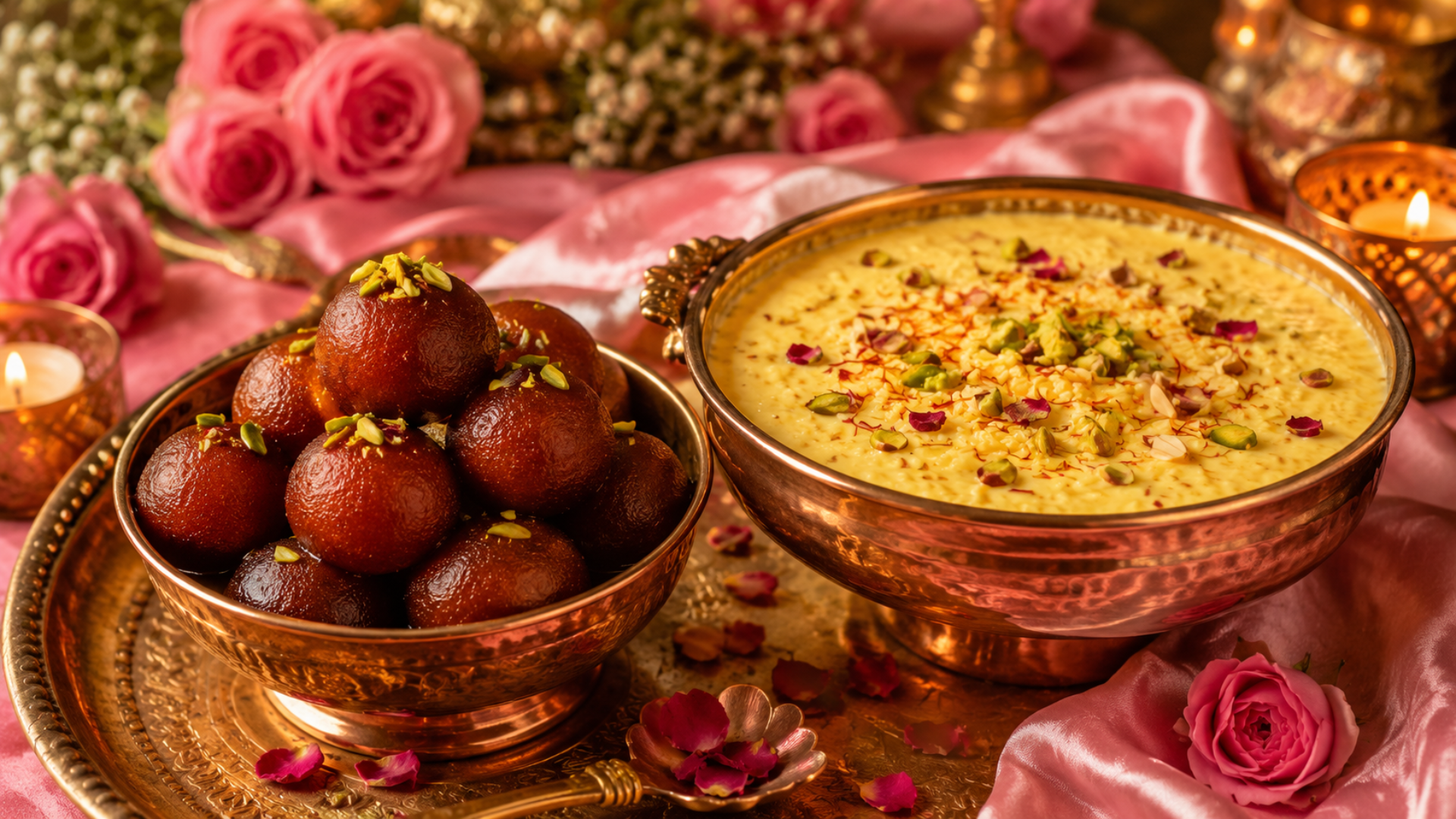
Every Indian festive meal ends with something sweet. For Mother's Day, gulab jamun and kheer are both ideal: one is intensely celebratory, the other gently comforting.
Gulab Jamun
Gulab jamun — soft, rose-water-syrup-soaked spheres of reduced milk (khoya) — entered the Indian subcontinent with Mughal culinary influence in the 17th century, the name deriving from Persian: gulab (rose water) and jamun (a dark berry resembling the sweet in color).[5] Fry at 140°C (284°F) — lower than most people expect — so the interior cooks through before the exterior darkens. Soak immediately in warm (not hot) syrup for maximum absorption.
[5] Collingham, L. (2006). Curry: A Tale of Cooks and Conquerors. Oxford University Press. p. 201.
Saffron Kheer
Kheer is rice pudding made with whole milk, cardamom, and saffron — one of India's oldest documented preparations. A similar dish called kshirika appears in the Ayurvedic text Charaka Samhita, composed approximately 300 BCE, describing a sweetened milk-grain preparation for nourishment and recovery.[5]
[5] Sharma, P.V. (1992). History of Medicine in India. Indian National Science Academy. New Delhi. p. 87.
Saffron (kesar) gives kheer its golden hue and adds more than colour: safranal and crocin, the active compounds in saffron, have been studied in randomised controlled trials for mood-modulating effects, with a 2005 study in Phytotherapy Research finding saffron extract statistically comparable to low-dose antidepressant medication in treating mild to moderate depression.[5] Whether or not you mention it to Mom, the ingredient is quietly appropriate for a celebration of her wellbeing.
[5] Akhondzadeh, S. et al. (2005). "Crocus sativus L. in the treatment of mild to moderate depression." Phytotherapy Research, 19(2):148–151. doi.org/10.1002/ptr.1647
Dessert Tips For kheer: use full-fat whole milk and simmer for at least 40 minutes, stirring regularly, to develop natural sweetness from concentrated milk solids before adding sugar. Substitute jaggery for a deeper, caramel-toned variation. For gulab jamun: add a pinch of baking soda to the khoya dough for a lighter, spongier texture.
7. Create a Warm Mother's Day Dinner Setting
The food is the centrepiece, but ambiance makes the meal feel like a celebration rather than just dinner. Research in hospitality and sensory psychology — notably the work of Charles Spence at Oxford University — shows that ambient conditions including lighting, music tempo, and visual table decor measurably influence perceived flavour quality and emotional satisfaction during dining.[5]
[5] Collingham, L. (2006). Curry: A Tale of Cooks and Conquerors. Oxford University Press. p. 201.
Simple touches that elevate the experience: a cotton or silk table runner in saffron or peacock blue; small diyas or tea-light candles placed safely; fresh marigolds (the traditional flower of auspicious Indian occasions); and background music — Hindustani ragas, Carnatic classical, ghazals, or Bollywood golden era — matched to your mother's taste. Serve the food family-style so everyone shares from common dishes, which aligns with how Indian meals are traditionally experienced.
The SubziCart Advantage for Mother's Day Cooking
For many South Asian families in the USA, the hardest part of an Indian dinner isn't the recipe — it's sourcing the right ingredients. Here are common ingredients families may look for when planning a Mother's Day Indian dinner through SubziCart:
- Aged Basmati rice — selected for aroma and separate-grain texture
- Fresh paneer options — availability and delivery timing may vary by location and stock
- Khoya (mawa) — essential for authentic gulab jamun; rarely available outside specialist Indian stores
- Whole urad dal and rajma — the building blocks of dal makhani
- Kasuri methi (dried fenugreek leaves) — the single ingredient most people miss that separates good butter chicken from authentic butter chicken
- Fresh curry leaves — essential for coconut chutney tempering and sambar; dried substitutes lose most of the flavour
- Dosa ingredients and batter options — helpful for preparing traditional masala dosa at home
- options — availability and timing may vary by zip code and product availability
Practical Mother's Day Cooking Timeline
Full Prep Schedule — Dinner at 7:00 PM
| When | Task | Estimated Time | Active |
|---|---|---|---|
| 2 days before | Plan menu; order ingredients from SubziCart; soak urad dal in fridge | 15–20 min | |
| Night before | Prepare dosa batter (ferment 8–12 hrs); make samosa filling; start kheer | 75–90 min | |
| Morning (10 AM) | Marinate chicken or paneer; prepare chutneys; soak basmati rice | 30–45 min | |
| Afternoon (3 PM) | Cook dal makhani (2+ hrs simmer); prep gulab jamun dough and syrup | 30 min active; mostly passive | |
| Early evening (5:30 PM) | Cook butter chicken or paneer masala; fry samosas; cook jeera rice | 60–75 min | |
| Pre-dinner (6:30 PM) | Make dosas to order; fry gulab jamun; warm desserts; set the table | 30 min |
Frequently Asked Questions
- How can I find authentic Indian ingredients in the USA for Mother's Day cooking?
Start by writing down the key ingredients for your chosen menu. For a full Indian Mother's Day dinner, you may need aged basmati rice, fresh paneer, whole urad dal, rajma, kasuri methi, curry leaves, khoya, chutney ingredients, and whole spices. SubziCart helps families source many of these South Asian grocery essentials in one place. - What are the best vegetarian Indian dishes for Mother's Day dinner?
Paneer tikka masala, dal makhani, jeera rice, masala dosa with coconut chutney and sambar, and saffron kheer are strong vegetarian options for a Mother's Day dinner. These dishes feel festive, filling, and familiar for many Indian and South Asian families. - Can I prepare parts of an Indian Mother's Day dinner in advance?
Yes. Samosa filling, chutneys, dosa batter, dal makhani, and kheer can be prepared one day ahead. On Mother's Day, you can focus on frying, final cooking, warming, plating, and serving. - Is masala dosa gluten-free?
Traditional masala dosa is made with rice and urad dal, so it is naturally gluten-free. However, packaged or restaurant-style batters may include added flour or may have cross-contact with wheat, so always check the ingredient label if gluten is a concern. - What essential spices should I have for an Indian Mother's Day dinner?
Useful spices include cumin seeds, coriander powder, turmeric, garam masala, red chili powder, cardamom, cloves, cinnamon, mustard seeds, curry leaves, and kasuri methi. For desserts like kheer and gulab jamun, saffron and cardamom are also helpful. - How can I make the dishes healthier without losing traditional taste?
Use less cream and butter, add more lentils and vegetables, grill paneer instead of deep-frying it, use moderate oil, and serve lighter sides like cucumber raita, fresh chutney, or roasted papad. These changes can keep the meal flavorful while making it feel lighter.

